Ten Life Skills Every Toddler Should Have Before Kindergarten (And How Daycare Helps)
By Chitra Puri, founder of Just Goofing · June 25, 2026
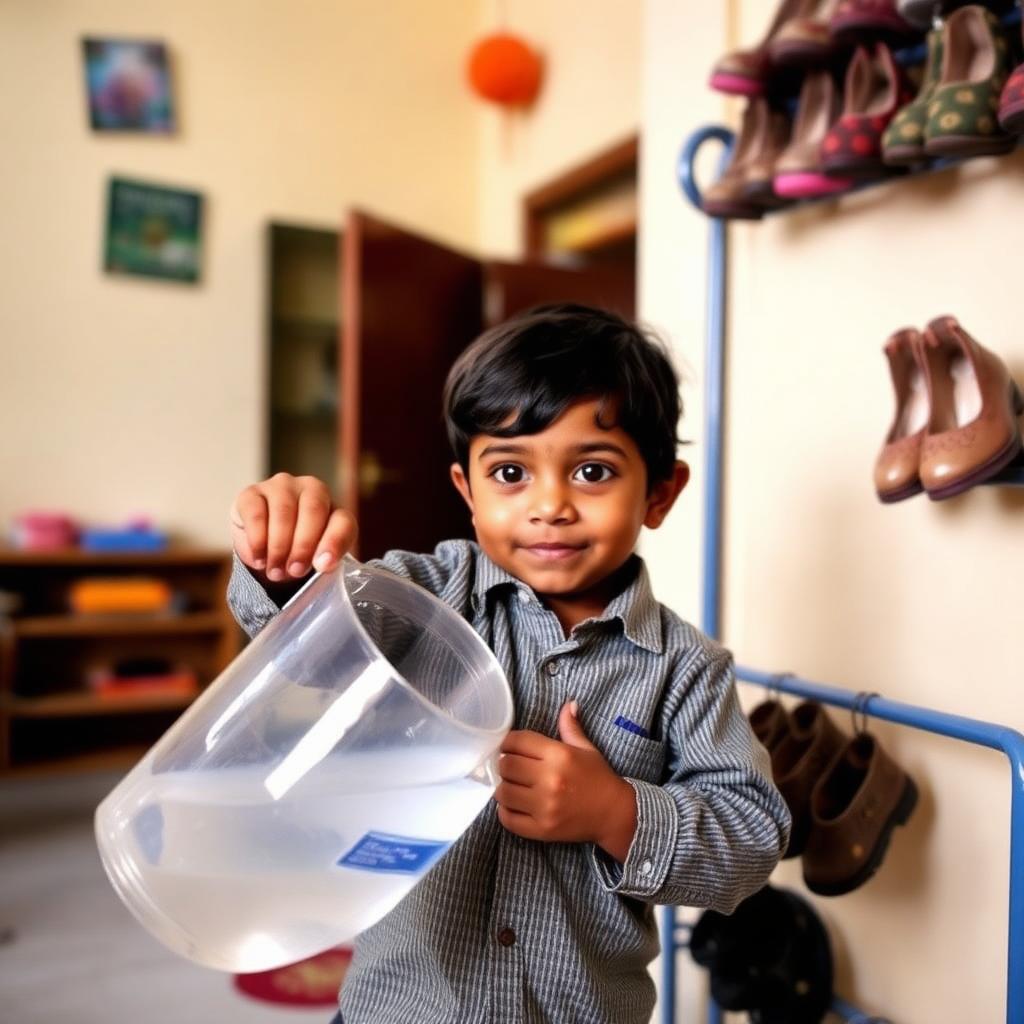
Every parent in Gurugram eventually asks the same question: is my child ready for kindergarten? The answer almost never has to do with whether they can recite A to Z or count to twenty. The kindergarten teachers we speak to all say the same thing — the children who settle in fastest are the ones with basic life skills, not academic ones.
Here is the list we work on at daycare. None of it is dramatic. All of it matters.
1. Drinking water from an open cup
By the time a child enters kindergarten, they should be able to hold a small open cup, drink from it, and put it back down without help. Sippy cups and bottles are crutches at school — they become a barrier between the child and basic hydration.
Start at home with a small steel tumbler half-filled. There will be spills. That is the point.
2. Eating independently with their hands and a spoon
A kindergarten lunch break is 20 minutes. A child who is still being spoon-fed at home will not eat anything and come home hungry and cranky. They need to be able to open a tiffin, eat at their own pace, and recognise when they are full.
This is also the single most useful skill to start months before kindergarten begins.
3. Washing and wiping their own hands
Sounds basic, often missed. The child should know to wash hands before eating and after using the toilet, with soap, for long enough. They should know how to dry them on a towel rather than wiping on their clothes.
4. Using the toilet, including wiping and flushing
Toilet training is not just about no nappies. It is the full sequence — recognising the urge, going on their own, wiping, flushing, washing hands. A child who needs an adult for every step will struggle on day one.
5. Putting on and taking off their own shoes
Velcro shoes exist for a reason. Buckles and laces should wait until age five or six. The child should be able to slip shoes off at the door, find their pair on the shoe rack, and put them on again.
6. Asking for help with words
This is the big one. A child who points and whines when they need something will struggle in a classroom of twenty children. A child who can say "didi, I need help" or "I want water" will be looked after far more easily.
The skill is not perfect grammar. It is the instinct to use words instead of tears.
7. Recognising and naming their own things
Bag. Bottle. Lunch box. Shoes. Sweater. In a classroom of twenty toddlers, half the items look identical. A child who knows what is theirs and can identify their own bag will lose far fewer things — and feel far more in control.
A small sticker or coloured tag on every item helps. Teach the child to look for it.
8. Waiting their turn
This is a daycare classic. It cannot be taught in a one-child household. It only develops in a peer group. The slide, the swing, the favourite truck — there is always someone else who wants it, and the child has to wait. The waiting muscle is a real muscle. It takes time to build.
9. Tidying up after themselves
Putting toys back in the basket. Carrying their plate to the kitchen counter. Throwing tissue in the bin. None of this is about chores. It is about understanding that things have a place and that they are part of the system.
Kindergartens run on tidy-up routines. A child who has never tidied up at home will be confused and slow on day one.
10. Separating from parents without panic
The single most predictive skill for a smooth kindergarten start. A child who has only ever been with parents will cry for weeks. A child who has spent time with caregivers, grandparents, or daycare staff will cry for two days and then settle.
If your child has never been apart from you, the first day of kindergarten is the worst possible time to start. Build it up gradually months in advance.
How daycare actually helps
A good daycare does not teach these skills in a class. They are baked into the day. Morning hand washing. Self-feeding at lunch. Putting on shoes for outdoor time. Asking the caregiver for help. Waiting for the swing. Tidy-up song before nap. Goodbye to parent at drop-off.
Within three months of starting daycare, most children pick up the entire list above without anyone formally teaching it. That is the real value, far more than any flashcard or alphabet chart.
How to practise these skills at home
Pick two skills at a time and practise them daily for a few weeks, rather than all ten at once. Make it part of the routine: shoes off at the door every time, hands washed before every meal, toys tidied before bath. Give your child enough time to try, praise the effort rather than the result, and resist redoing their work in front of them. A crooked shoe on the right foot is still a win.
When to be patient, and when to check
Children develop these skills at different speeds. If your child is close to kindergarten age and still struggles with several of them, it's usually a matter of practice. If they have difficulty with many everyday tasks, seem unusually frustrated, or aren't using words to ask for help, mention it to your paediatrician; early support helps.
If you are a year out from kindergarten
Start now. Pick two skills from the list and practise them daily for two weeks. Then add the next two. By the time kindergarten interviews come around, your child will be visibly more independent — and you will be far less anxious.
To see how we build life skills into the daycare day, visit Just Goofing Daycare for a walk through any weekday morning. Call +91 78277 91701 to schedule.
Just Goofing Daycare, C-2, inside Excelsior American School, Sushant Lok Phase I, Sector 43, Gurugram, Haryana 122009.